HL7 resources

D-MIM-Domain Message Information Model
The Domain Message Information Model (D-MIM) is a subset of the HL7 V3 RIM model, and is used to create messages for a particular domain.
Read more →

Guides, White papers
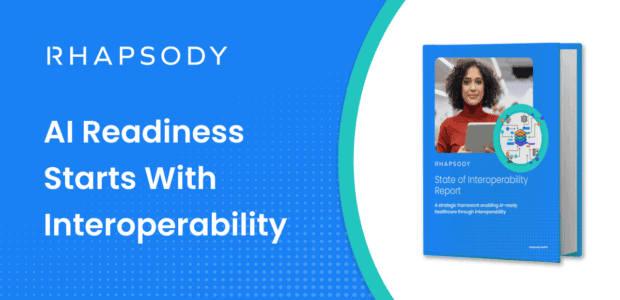
Rhapsody’s State of Interoperability Report shows interoperability remains the top barrier to scaling AI across healthcare.
Market segment
Resource type
Region
Product
Topics

HL7 resources
The Domain Message Information Model (D-MIM) is a subset of the HL7 V3 RIM model, and is used to create messages for a particular domain.
Read more →
HL7 resources
Health Level Seven (HL7) is an ANSI accredited Standards Developing Organization. Global volunteers gather in quarterly meetings called HL7 Working Groups.
Read more →
HL7 resources
Read more →
HL7 resources
An HL7 message consists of a group of segments in a defined sequence, with these segments or groups of segments being optional, required, and/or repeatable.
Read more →
HL7 resources
HL7 Quality Reporting Document Architecture (QRDA) is a standard for communicating health care quality measurements and reuses templates developed for HL7 CCD.
Read more →
HL7 resources
HL7 segments are a group of fields that contain varying types of data. Each exists independently and can be utilized in multiple messages, in varying sequences.
Read more →
HL7 resources
MIME is short for Multipurpose Internet Mail Extensions. It is a specification for formatting non-ASCII messages so that they can be sent over the Internet.
Read more →
White papers
More competitive reference labs have discovered an interface engine is no longer optional. It has become mission critical—an indispensable tool for better results.
Read more →
HL7 resources
The Continuity of Care Document (CCD) is used to share summary information about the patient within the broader context of the personal health record.
Read more →