Big product reveals, candid customer stories, and practical lessons from the people making healthcare interoperability happen.
From managing an influx of AI applications to improving patient identity matching across millions of records, healthcare organizations are confronting new interoperability challenges, and finding innovative ways to solve them.
At Rhapsody Connect Developer Conference 2026, held Oct. 19-22 in Boston, customers, partners, and industry leaders shared firsthand experiences, practical strategies, and measurable results. The event also offered an exclusive look at Rhapsody’s latest innovations, including the launch of Rhapsody Guardian, and opportunities to connect directly with the experts and peers shaping the future of healthcare interoperability.
The discussions were candid, the customer results were compelling, and the insights extended well beyond the presentations. Here are some of the biggest takeaways from Connect 2026, and resources to help you catch up on what you missed.
AI Governance: From Big Ambitions to Real-World Decisions
AI was everywhere at Connect, but the conversations went well beyond what the technology can do. Customers wanted to know how to govern it, secure it and put it to work responsibly.
In his opening remarks, Rhapsody CEO Sagnik Bhattacharya highlighted how quickly the conversation has shifted from AI adoption and use cases to AI governance. He shared an exchange with a CIO who, when asked about managing AI through committees and spreadsheets, replied that his organization had eight committees dedicated to the task.
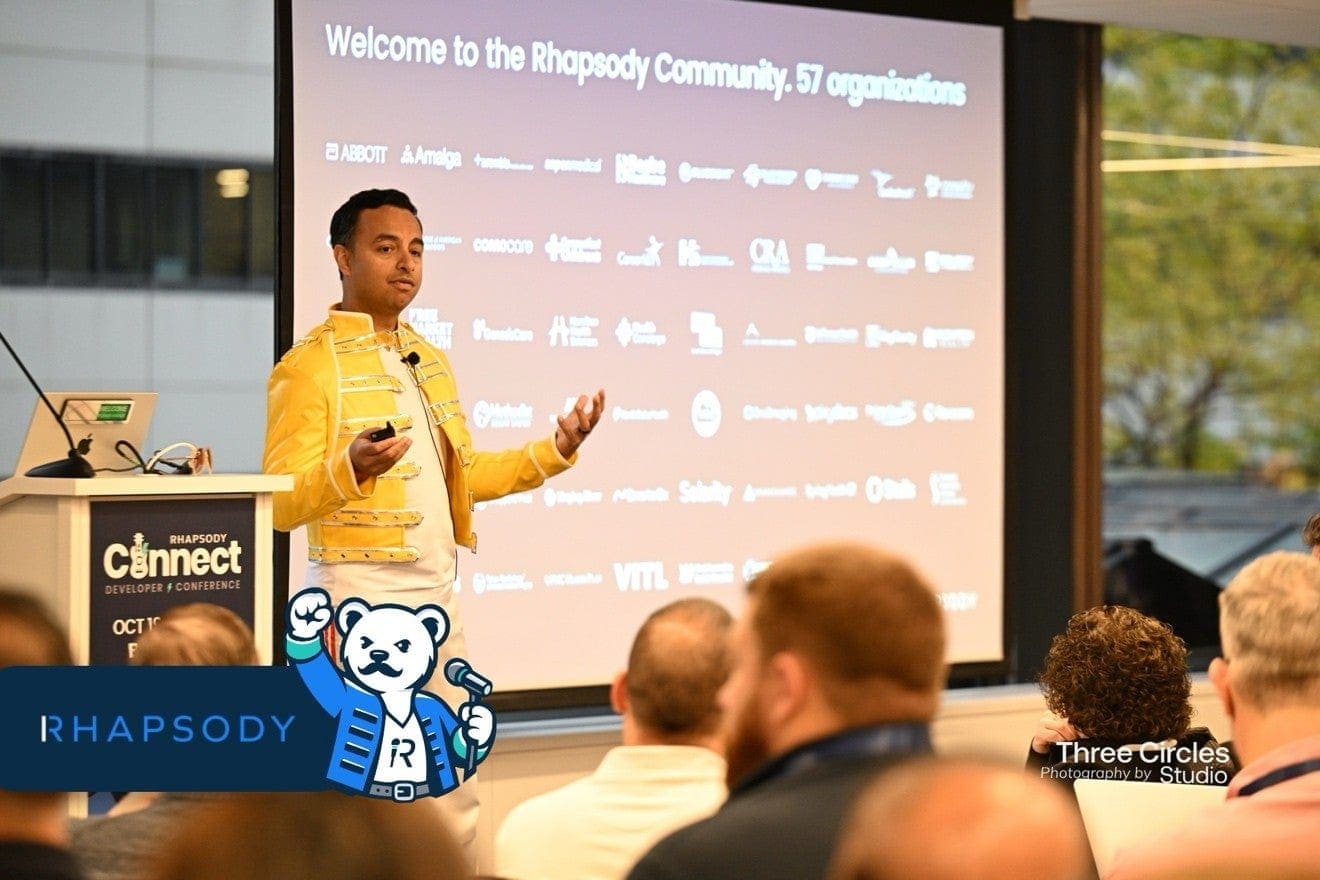
That growing complexity set the stage for Bhattacharya’s introduction of Rhapsody Guardian, a healthcare-specific AI governance solution designed to help organizations turn policies into enforceable controls, monitor agent activity and manage access to sensitive healthcare data and services.
Geisinger offered a particularly compelling look at the realities of AI governance. After receiving 98 AI application requests in a single week, the organization expanded its review process to two committees meeting four days a week. Kim Chaundy, associate vice president at Geisinger and interim president and CEO of Keystone Health Information Exchange, described how the organization continues to refine its approach as new technologies, risks and use cases emerge.
The lesson: AI governance can no longer be treated as a one-time approval process. It requires ongoing oversight, flexibility and the ability to adapt as adoption accelerates.

Patient Identity: The Numbers Behind the Work
Connect also delivered a firsthand look at what it takes to manage patient and member identity at scale.
Abacus Insights shared how it navigated a complex migration involving 13 million member records in nine months, achieving 99.98% matching accuracy during migration.
“The data is one component, but if you can’t link it to the person, and you can’t understand what’s going on with this individual person, you’re not going to be successful,” said John Pyhtila, chief operating officer at Abacus Insights.
Prisma Health brought another perspective, sharing how AI-assisted matching helped reduce duplicate rates by approximately 50%. But Terri Martin, Senior System Analyst, and Kay Hylton Christensen, Sr Information Architect, stressed that successful automation requires rigorous testing, clean data and close collaboration with health information management teams.
“You have to do good testing. Testing and validation,” Martin emphasized, explaining that teams must continually monitor matching results and investigate anomalies.
Christensen, who described herself as initially skeptical of AI, acknowledged that patient matching could be “the very best use of AI that I’ve personally witnessed.”
These sessions went beyond the results, giving attendees insight into the decisions, workflows and expertise required to make identity management work.
Data Quality: Finding Problems Before They Become Bigger Problems
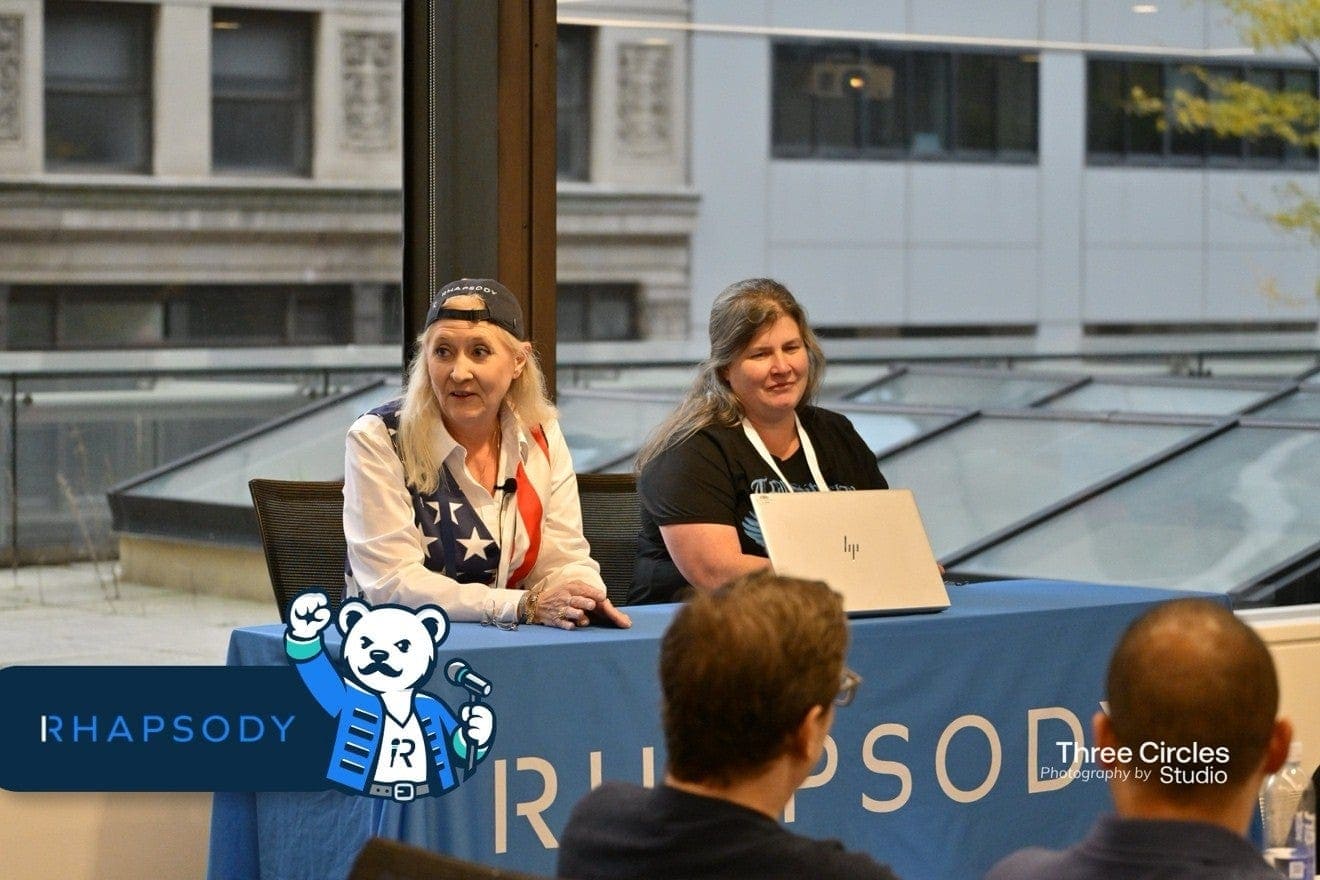
What can 78 million healthcare messages tell you about data quality? Quite a lot, as attendees learned from Big Sky Care Connect.
Montana’s statewide health information exchange shared how it is using Rhapsody Axon Data Health to gain greater visibility into incoming data from more than 650 contributing locations.
“Clean data coming in the door is what we want as much as possible,” said CIO Drew Hensel.
The session offered a practical look at how teams can identify problems earlier, investigate issues at the message level and work with participating organizations to improve data quality.
Executive Perspectives: Lessons From the CHIME Leadership Track
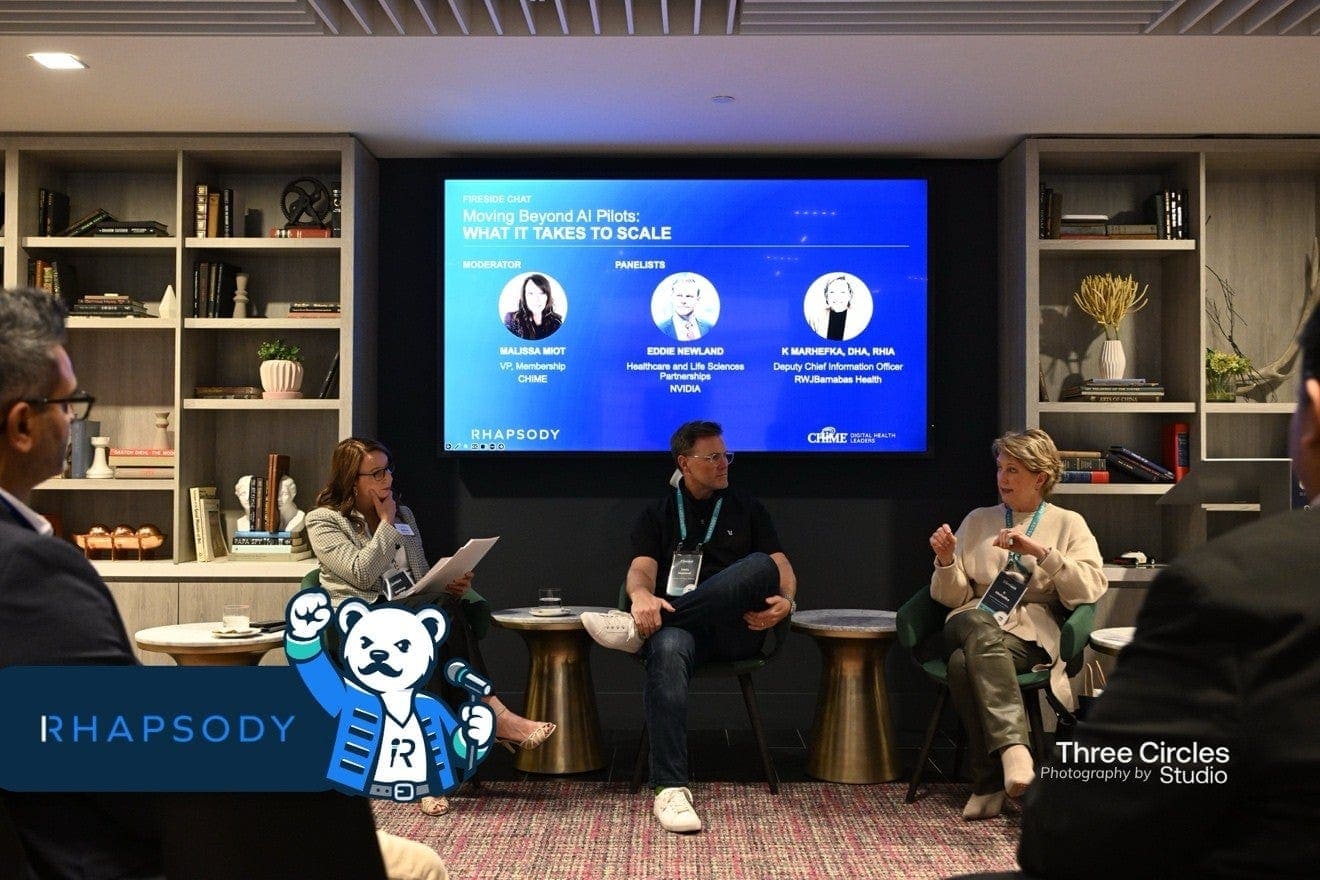
The Executive Track in collaboration with CHIME and NVIDIA brought healthcare CIOs and senior IT leaders together to examine the strategic decisions shaping the next generation of health tech.
Discussions explored how organizations can prepare their infrastructure for AI, balance innovation with operational priorities, and make technology investments that deliver meaningful value. A recurring consideration was how to modernize without adding complexity or overwhelming already stretched IT teams.
The sessions also provided an opportunity for executives to exchange perspectives with peers facing similar challenges, moving beyond technical implementation to the leadership, governance and organizational decisions necessary to support long-term transformation.
The Best Part? Being in the Room.
Between the technical sessions, customer roundtables, hallway conversations, and a few memorable appearances by Teddie Mercury, Connect reminded us why bringing this community together matters.
There is no substitute for hearing directly from peers, asking the questions that don’t fit into a presentation and making connections that continue long after everyone heads home.
Thank you to our customers, partners and speakers for making Connect 2026 a memorable week. We look forward to continuing the conversations and building what’s next together.
Keep exploring:
- See session materials for Corepoint customers here, and all other session materials here
- View photos from the event